Adare Village: History, Spots to Visit, Where to Eat
The heritage sites worth seeing — churches, manor grounds, craft shops. Local cafes, pubs with real character, and how to avoid the tourist rush.

A Village Frozen in Time
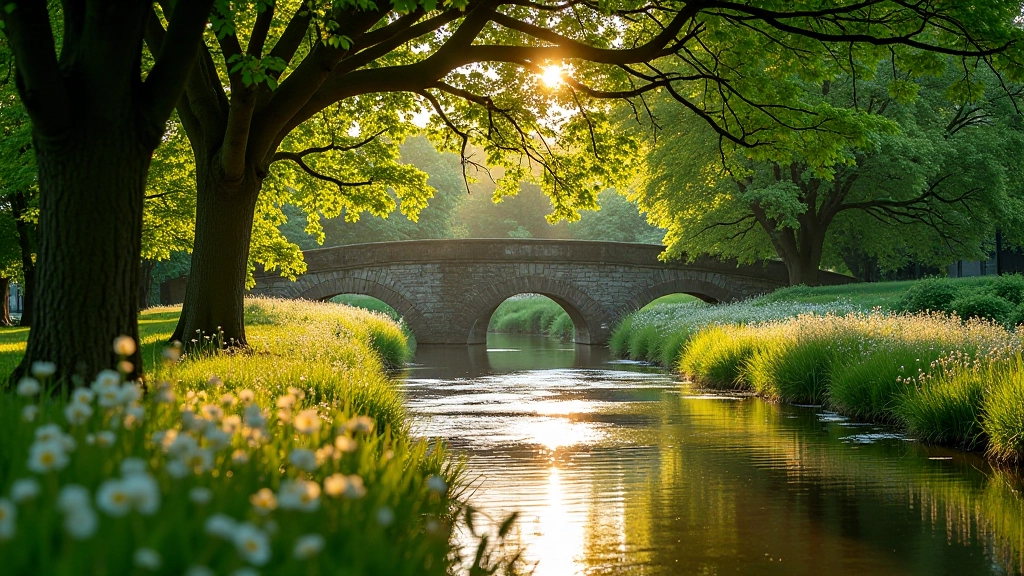
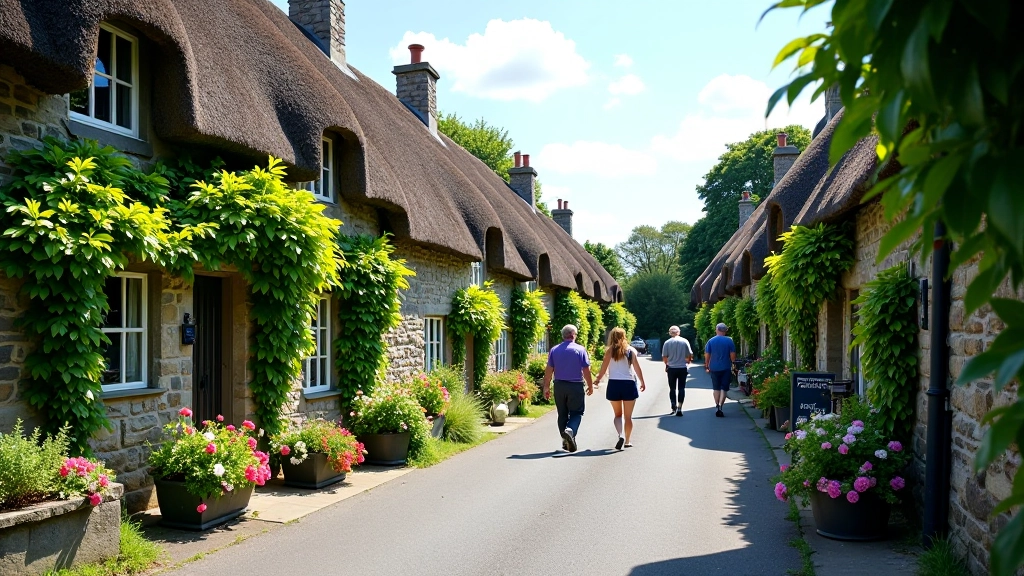
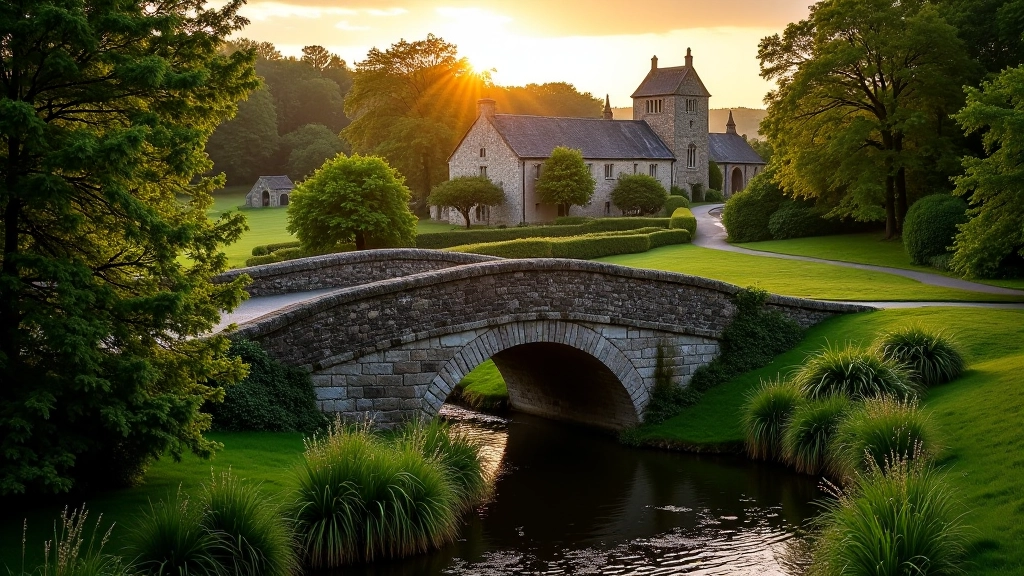
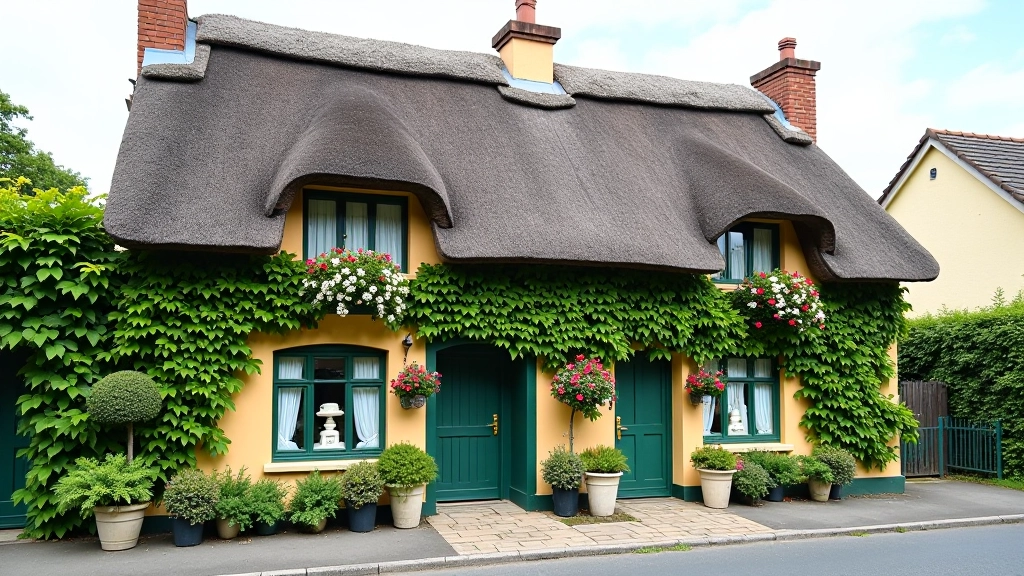
Adare isn't your typical Irish village — it's one of the most picturesque places you'll find in County Limerick. We're talking thatched cottages with ivy climbing their walls, stone bridges over the River Maigue, and streets that look like they've been plucked straight from a history book. The village was planned in the 1820s by the Earl of Dunraven, and it shows. Every building seems to have a story, every corner offers a photo opportunity.
Thing is, Adare's become quite popular with visitors — especially in summer months. That's not necessarily bad. It means the cafes stay open year-round, the pubs are lively, and the heritage sites are well-maintained. But if you want the genuine experience, you'll want to know where the locals actually spend their time and how to explore without fighting crowds at every turn.
The History That Built Adare
Adare's story isn't just about pretty cottages — there's real substance behind the aesthetics. The village grew around Adare Manor, a gothic revival mansion built in the 1460s and extensively rebuilt in the 1800s. The Earl of Dunraven shaped the village you see today, deliberately creating a planned settlement with careful architectural standards. Every cottage, every street corner, every green space was thought through.
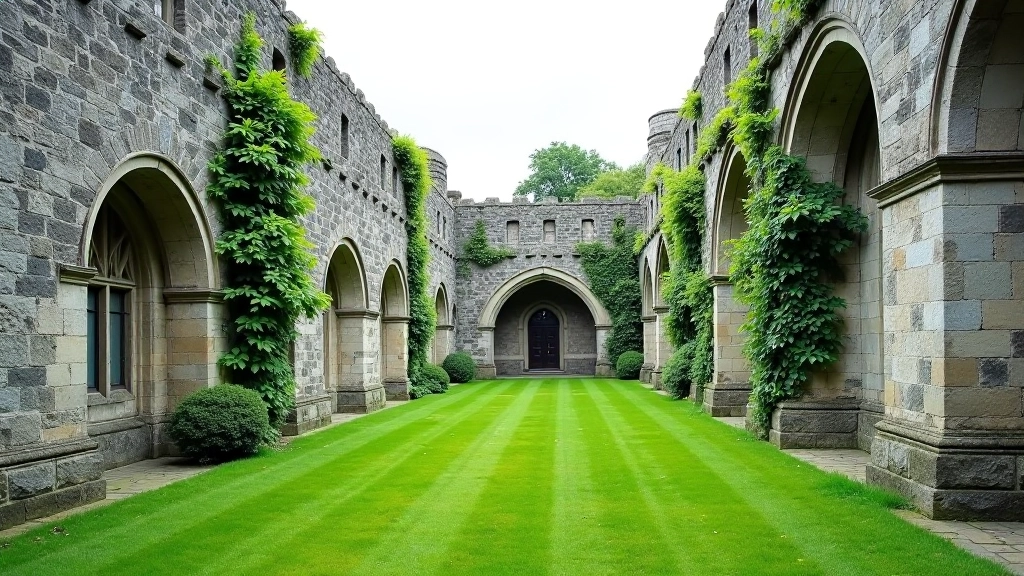
You'll spot the remains of medieval friaries — St. Nicholas' Church, the Franciscan Friary, the Dominican Friary — all within walking distance of the main village. These aren't ruins in the crumbling sense. Many still stand with impressive stonework and windows intact. The Parish Church of St. Nicholas, built in 1315, has been modified over centuries but maintains its original character. It's genuinely impressive when you're standing in front of it.
What makes it work as a tourist destination is that locals haven't abandoned the place. Families still live in those thatched cottages. Kids attend school there. People work in the shops and restaurants. It's not a museum — it's a living village that happens to be extraordinarily beautiful.
Where to Actually Go
Start at Adare Main Street — it's basically unavoidable anyway. The thatched cottages line both sides, and they're as charming as photographs suggest. Don't just walk past though. Pop into the craft shops. There's genuine local work here — pottery, textiles, jewelry — not just mass-produced souvenirs. Most shops are family-run and the owners will chat about their pieces if you show genuine interest.
The Franciscan Friary (1464) is open to visitors most days. You can walk through the cloister, see the refectory where monks ate, explore the kitchen. It's peaceful, especially in late afternoon when tour groups have moved on. The Augustinian Priory on the opposite bank of the river is trickier to access but worth asking about — sometimes locals can point you toward the caretaker if you're genuinely interested.
Adare Manor itself isn't open for general touring — it's now a five-star hotel — but the grounds are occasionally accessible during special events. Even if you can't get inside, the exterior is worth seeing from the manor gates.
Pro tip: Visit on a weekday morning in May or September. You'll get the best light, fewer tourists, and locals will actually acknowledge you in shops instead of just processing transactions.
Where to Eat (And Actually Enjoy It)
Adare's got more restaurant options than you'd expect for a village this size — probably because tourists need somewhere to eat. But here's the thing: not all of them are worth your time. Some rely entirely on foot traffic and deliver mediocre food at tourist prices. We're talking €18 for a sandwich kind of mediocre.
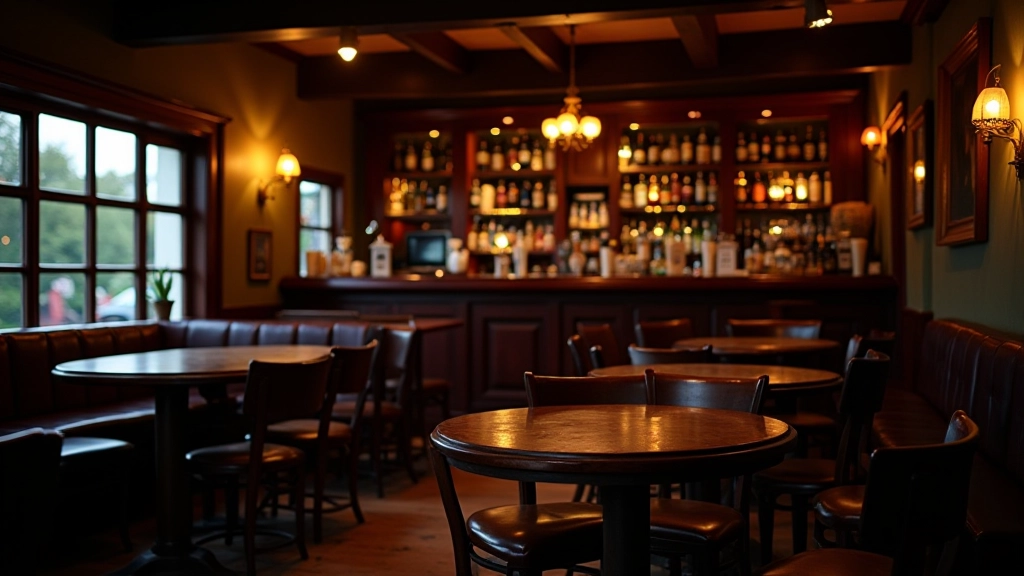
The pubs are genuinely better than the restaurants. Seriously. Places like the White Horse or Dunraven Arms serve solid pub food — think proper Irish stew, fish and chips that isn't frozen, beef and Guinness pie. Prices are reasonable and you'll see locals actually sitting at the bar. The atmosphere is authentic rather than performed for tourists.
For something more formal, Adare Manor's dining is exceptional if you've got the budget. It's not cheap, but the quality matches the price. For lunch, the village cafes do decent coffee and sandwiches. Molly's Tea Rooms is a safe choice — nothing fancy, but reliable and welcoming.
Dining Strategy
- Lunch at a pub (12-2pm) is cheaper and quieter than dinner
- Book ahead for dinner — walk-ins face 45+ minute waits in summer
- Skip the "Irish experience" themed restaurants on Main Street
- Coffee stops: Local cafes away from the main tourist strip
- Best value: Dunraven Arms pub food, €12-16 mains
Planning Your Visit
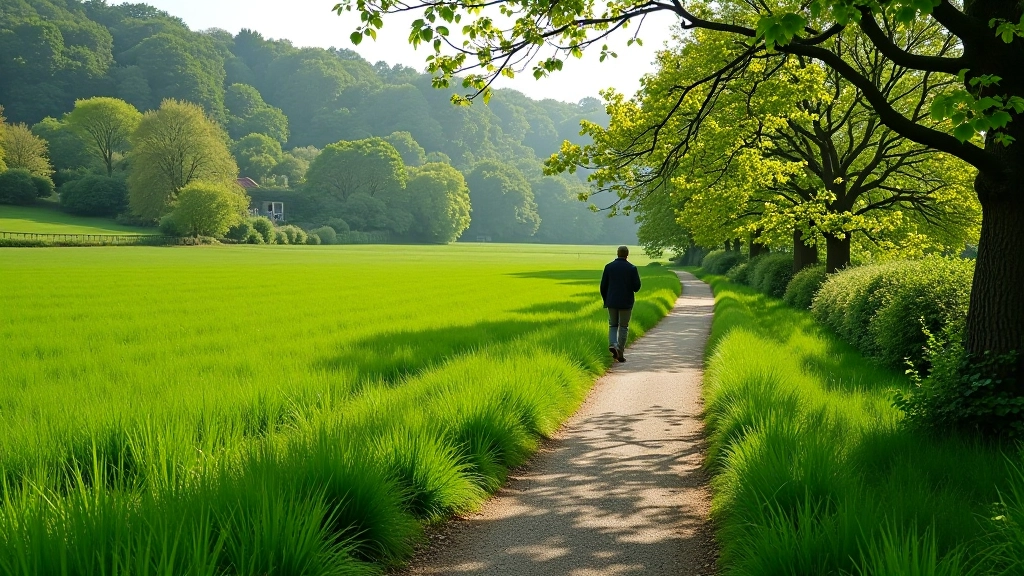
Adare's small — you can walk the main village in about 30 minutes if you're just passing through. But if you actually want to absorb it, spend half a day minimum. Bring comfortable walking shoes. The streets are cobblestone and uneven in places. The riverside walks are genuinely lovely, especially if you want to escape the village center.
Parking can be tight during peak season (July-August weekends). There's a car park at the entrance to the village, but it fills up. Coming midweek or off-season solves this entirely. Weather-wise, it's Ireland — expect rain, but that actually adds to the atmosphere. The village looks moody and authentic when it's drizzling.
Most sites don't charge admission, but donations are appreciated at the friaries. Bring cash if you're buying from craft shops — some smaller ones don't take cards. The village is quiet from November through March, which some people prefer. You'll actually hear birdsong instead of camera shutters.
Real talk: Don't expect Adare to change your life. It's a beautiful village worth visiting, but manage your expectations. You're not discovering some hidden gem — you're experiencing a well-preserved historical place that's genuinely pleasant. That's enough.
The Bottom Line
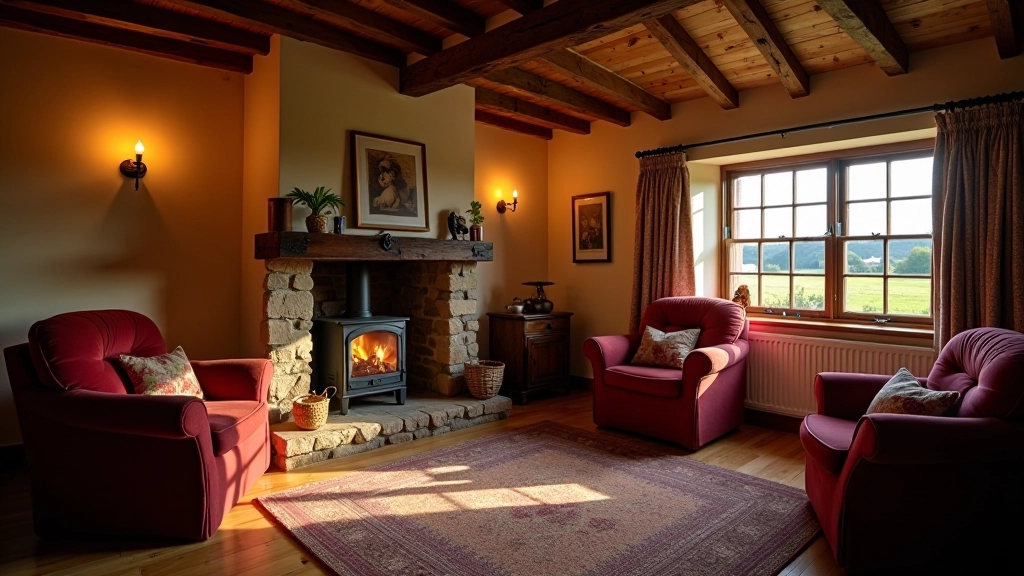
Adare delivers exactly what it promises: a picturesque Irish village with genuine history, good food, and charming accommodations. It's not undiscovered, but it's not oversold either. You'll see tourists, but you'll also see locals going about their day. The heritage sites are substantial, the pubs are welcoming, and the riverside walks are genuinely beautiful. Whether you're spending a few hours or staying overnight in a cottage, you'll understand why people keep coming back. It's not revolutionary — it's just a really well-executed version of what an Irish village should be.
Disclaimer
This article is for informational purposes. Information about attractions, restaurants, opening hours, and accessibility may change. We recommend verifying current details directly with local venues before planning your visit. Conditions at heritage sites can vary seasonally. Always check local guidance regarding access and any entry requirements before visiting.
Related Articles