Farm Experiences: Staying Active in Rural Limerick
Working farms, horseback riding, and hands-on activities in the countryside. What's realistic, what's seasonal, and how to book ahead.
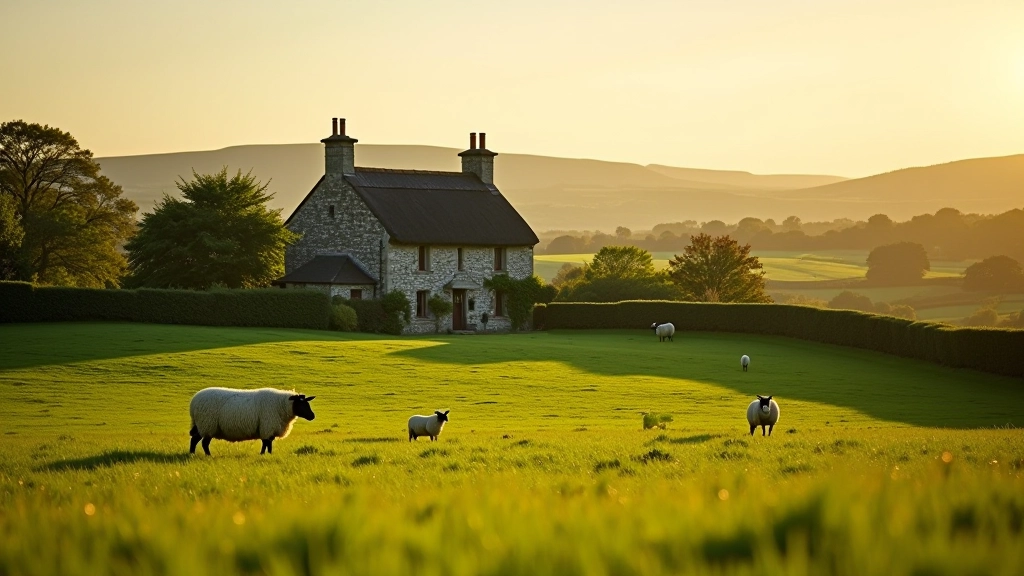

Farm experiences in rural Limerick aren't just about pretty views. They're real chances to get your hands dirty, understand how farming actually works, and stay active in a genuinely different way. Thing is, not every farm offers the same activities, and not everything runs year-round.
We've spent time talking with farm operators around the county. Here's what you can actually expect, what's worth booking in advance, and how to find the right fit for what you're after.
Working Farm Days: What's Actually Involved
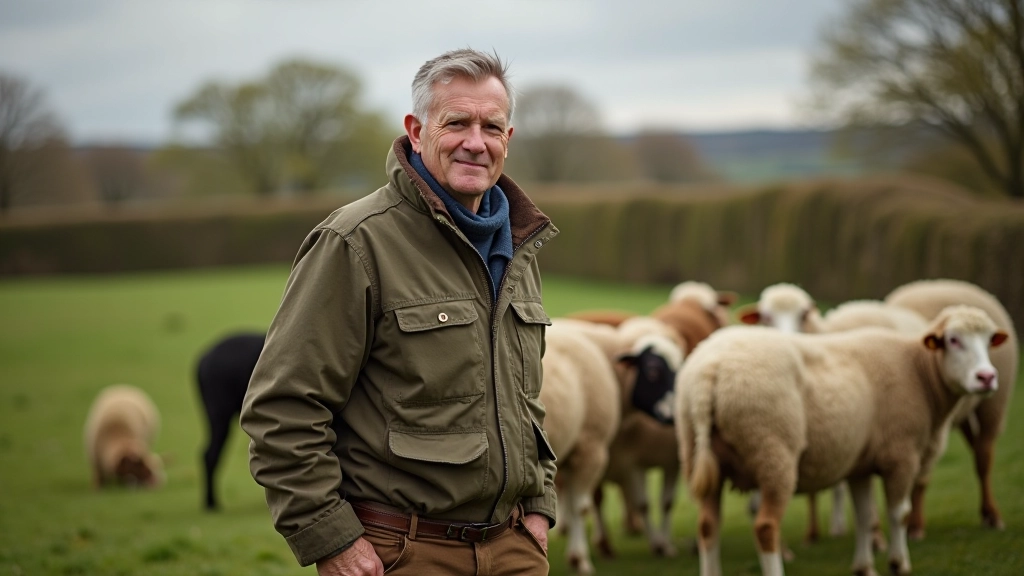
Most working farms around here offer half-day or full-day experiences. You're not running a farm — you're helping with specific tasks alongside the actual farmers. That might mean feeding animals, helping with repairs, moving stock, or assisting with seasonal work like hay preparation.
The reality? It's physical work. You'll be on your feet for 4-6 hours, often outdoors in whatever weather shows up. Boots with decent grip aren't optional. Rain happens, mud is guaranteed, and your hands will get properly dirty.
Real timing: Most farms run these experiences March through October. Winter's quieter — fewer visible activities, less weather-friendly work. Book 2-3 weeks ahead during peak season (May-August).
Horseback Riding: From Beginners to Confident Riders
Riding experiences vary wildly depending on your skill level. Beginner-focused rides stick to established routes, usually 1-2 hours on quiet trails. You're not covering massive distances — it's about comfort and safety. Most places have riders in groups of 4-8, which means you'll meet other people and the pace stays steady.
If you've ridden before, there's usually more challenging terrain available. Some operators offer full-day treks through the countryside, but you'll need to prove you can handle it. Don't exaggerate your experience — guides are experienced at spotting overconfident riders, and they won't let you do something risky.
What you'll notice: Irish horses are sturdy and well-trained for group work. They're not racing animals. The guides genuinely care about both you and the horses. And yes, you'll be sore afterwards if you haven't ridden recently — that's normal.
Other Farm-Based Activities Worth Trying
Vegetable Picking & Gardening
Pick-your-own farms are popular April through September. You're outside, moving around, learning what's actually in season. It's gentler than full farm work but still keeps you active. Most places provide baskets and guidance.
Sheep Dog Demonstrations
Watch trained dogs herd sheep with precise commands. Some farms let you try basic commands yourself. It's short (30-45 minutes usually) but genuinely fascinating. You'll understand why these dogs are valued on every working farm.
Farm Stays & Cottages
Stay overnight on working farms. Wake up to the actual rhythms of farming. Some offer meals featuring farm produce. You're immersed, not just visiting. Great if you want real downtime with country life.
Dairy Tours & Milking
See how milk actually gets produced. Some farms let you try hand-milking (yes, it's harder than it looks). Tours usually run morning or evening around milking times. Book ahead — these fill up quickly.
Tractor Rides & Farm Tours
Ride in a trailer pulled by a working tractor. You'll see more of the farm and hear explanations about different fields and practices. Good for people who want farm experience without intense physical work.
Fishing & Pond Activities
Some farms have fishing access or pond activities. Peaceful, keeps you active but at your own pace. Guides often know the water and can teach basic techniques. No experience needed.
Practical Things You Need to Know
Booking & Advance Notice
Most farms want 2-3 weeks' notice. Peak season (May-August) fills up faster. Contact directly — many aren't heavily marketed online. Look for farms through local tourism sites or word-of-mouth. Prices vary from €25-30 for short activities to €80-120 for full-day experiences.
What to Bring
Waterproof jacket (essential), boots with grip (not trainers), work gloves if you have them. Bring water and snacks. Sunscreen in summer. A change of clothes in your car — farm work gets properly muddy. Insect repellent in summer.
Physical Demands
Farm work isn't gentle. You'll be standing, bending, lifting. If you've got back issues or mobility concerns, talk to the farm beforehand. They can often adapt activities, but they need to know. Riding requires basic fitness — you'll use muscles you forgot you had.
Ages & Groups
Most activities suit ages 8+. Younger children do better with tractor rides or observation tours. Family groups are common. Some farms require minimum group sizes (often 4-6 people). Solo travelers can usually join existing groups.
Best Times to Visit: A Seasonal Breakdown
Spring (March-May)
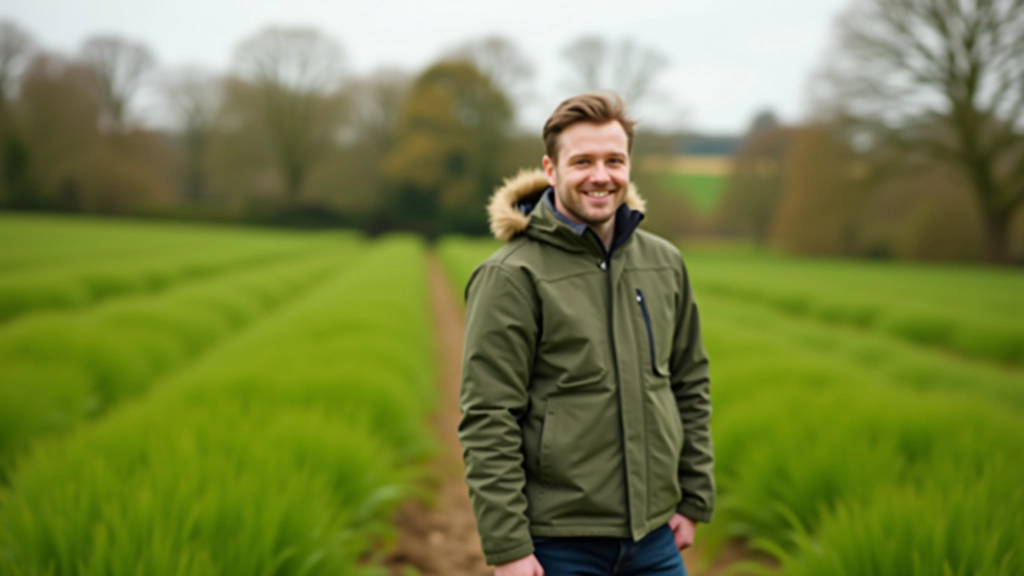
Lambing season means young animals everywhere. Intense for farmers but brilliant to see. Pick-your-own starts late April. Weather's unpredictable — bring layers. Longer daylight hours make evening activities possible.
Summer (June-August)
Busiest season. Hay making, farm camps for kids, full activity schedules. Book well ahead. Best weather generally (though rain happens). Most farms run daily experiences. Longest days — activities go later.
Autumn (September-October)
Harvest season. Different work, interesting to see. Fewer tourists, easier to book. Weather becomes wetter. Pick-your-own ends. Beautiful countryside colors. Quieter but still fully operational.
Winter (November-February)
Most farms don't run public experiences. Cold, wet, dark. But some offer winter farm tours or stay-overs. Check ahead. If you go, expect tough weather and shorter activities. Real working farm feel though.
Honest Tips for Making the Most of It
1
Don't expect Instagram moments. Farm work is real work. You'll get muddy, sweaty, probably uncomfortable at points. The genuine experience is worth more than a pretty photo. Embrace it.
2
Talk to farmers about their work. They genuinely want to explain what they're doing and why. Ask about challenges, techniques, seasonal pressures. You'll learn far more than any script would teach you.
3
For riding, be honest about your level. Guides match you to appropriate terrain. Overestimating your ability means you'll be nervous and less enjoyable for everyone. There's no shame in choosing beginner routes.
4
Check weather forecasts the day before. Farm work happens regardless of rain, but you'll prepare better knowing what's coming. Waterproof jacket isn't optional in Irish countryside.
5
Budget time for recovery. You'll be sore the next day if you're not used to physical work. Plan something gentler the day after — countryside walks, relaxing at your cottage, that sort of thing.
The Real Value of Farm Experiences
Farm experiences in rural Limerick aren't relaxing in the traditional sense. They're active, sometimes uncomfortable, and genuinely educational. That's exactly why they're worth doing. You're not just visiting — you're participating in real work in real countryside.
You'll understand farming differently afterwards. You'll appreciate where food comes from. You'll use muscles you'd forgotten about. And you'll meet people who actually care about their work and their land. That's something you don't get from just driving through the countryside.
Book ahead, dress appropriately, and show up ready to work. The farms here are serious about what they do, and they're generous about sharing it.
Disclaimer
This article provides informational guidance about farm experiences available in rural Limerick. Specific activities, availability, pricing, and scheduling vary by farm and season. Always contact farms directly for current details, age requirements, and any restrictions. Individual circumstances vary — assess your physical capabilities honestly before booking physically demanding activities. Weather, farm operations, and other factors may affect scheduled experiences. This is educational information, not professional advice.
Related Articles