What to Expect in a Thatched Cottage Stay

Real Details About Cottage Living
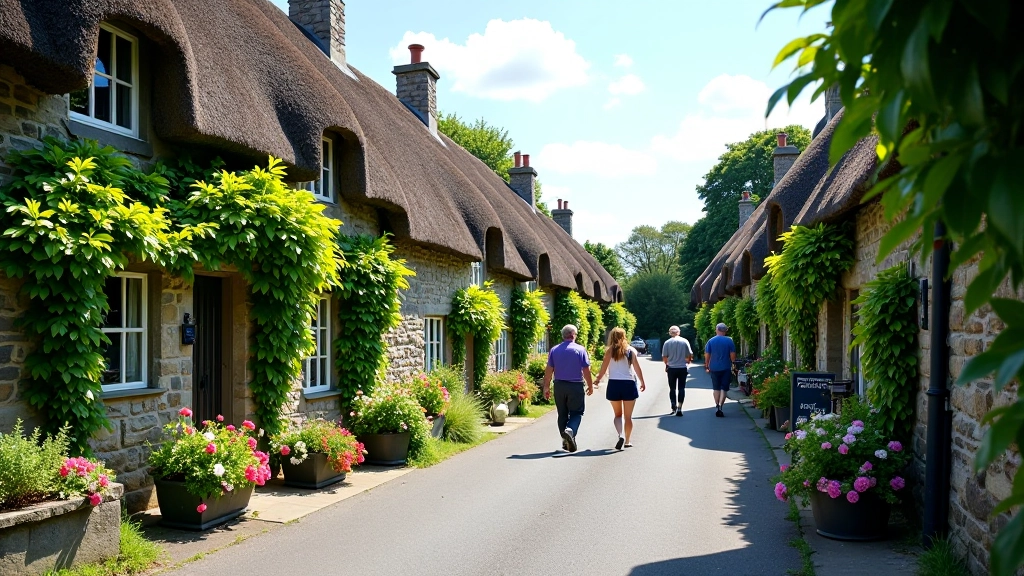
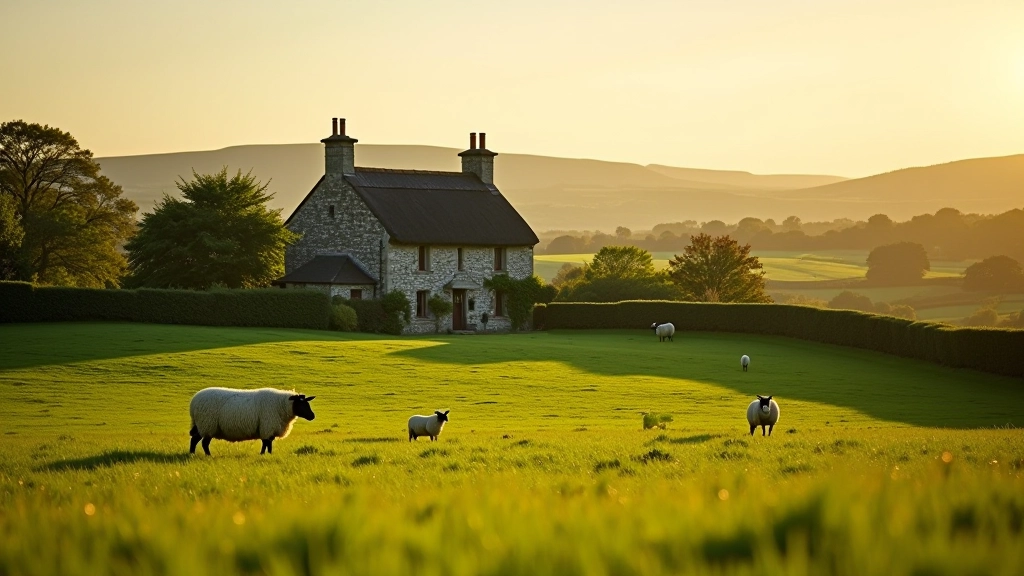
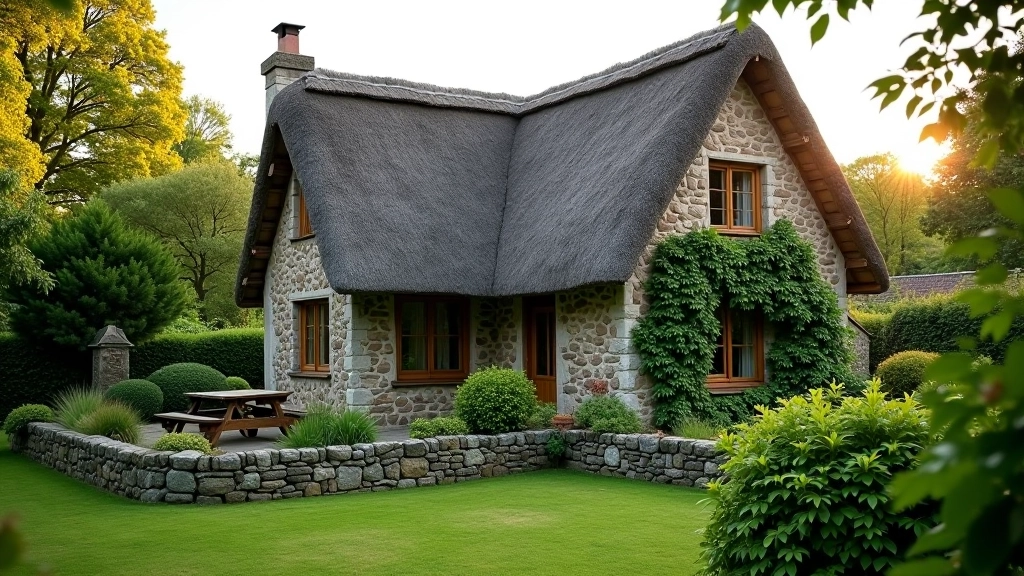
You've seen the pictures. Cream-colored walls, thatched roofs weathered to gold, ivy creeping up stone chimneys. It's beautiful. But what's it actually like to stay in one of these cottages? Not the Instagram version — the real version. The heating, the space, the quirks that come with 200-year-old buildings. Here's what you need to know before you book.
What You'll Actually Experience
The Heating Situation
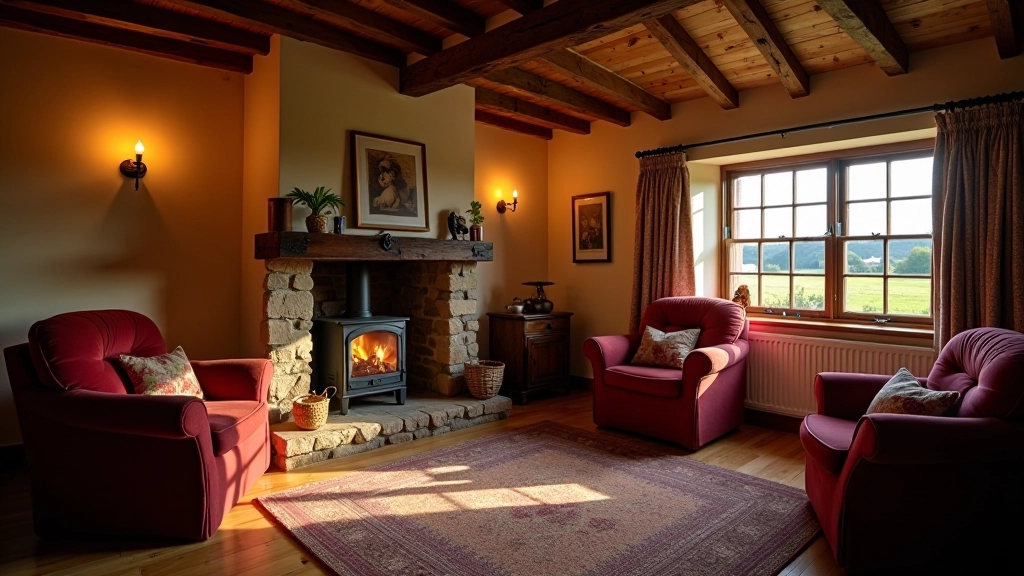
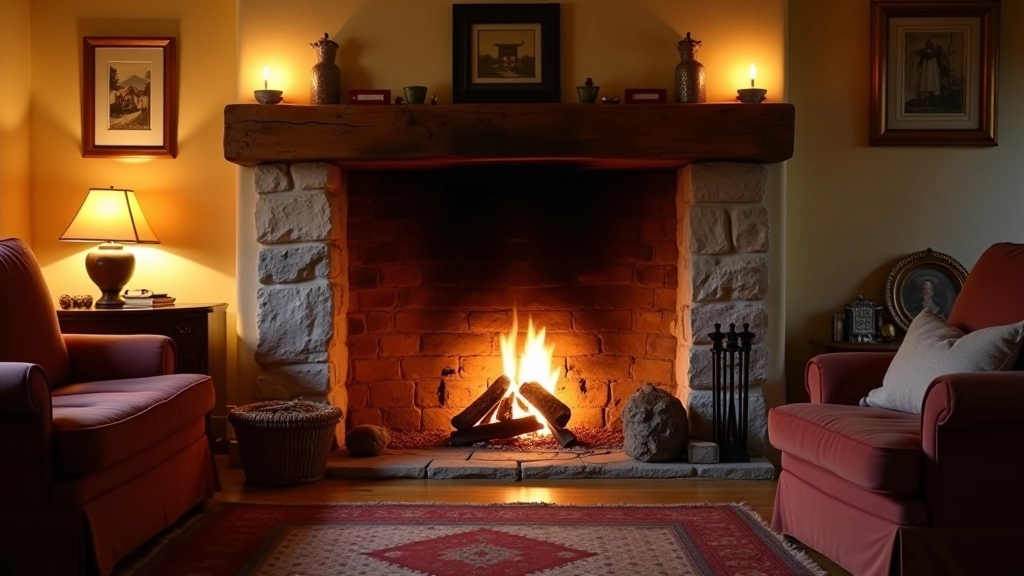
Most cottages rely on fireplaces and stoves rather than central heating. You'll get genuine warmth from a real fire, but you'll need to manage it. Don't expect every room to be toasty in winter.
Doorways & Ceilings
Low doorframes are the real deal. If you're over 6 feet tall, you'll be ducking. Ceilings are often sloped in bedrooms. These buildings weren't designed for modern heights, and that's part of their charm.
Water & Plumbing
Some cottages still have low water pressure or occasional issues. Hot water takes time to arrive. It's not a problem, just different from modern systems. Bring patience along with your luggage.
Internet & Signals
Rural cottages aren't always reliable for WiFi or mobile signal. That's often why people come here — to disconnect. Check with the owner about connectivity if you need to work remotely.
Damp & Weather
Stone walls breathe. In humid weather, you might notice moisture. It's not dangerous — it's just how old buildings work. Decent ventilation and opening windows helps. Winter visits are usually drier.
Quiet & Darkness
Expect genuine quiet. No traffic noise, no neighbors' TVs. The darkness at night is complete — bring a torch if you're not used to it. It's peaceful, but it takes adjustment.
The Charm That's Real
Let's be clear — the appeal isn't marketing nonsense. Staying in a thatched cottage genuinely feels different. You're surrounded by history. These buildings have stood for generations. The materials are authentic: stone, timber, thatch. Nothing's fake.
You'll notice the details other places skip. Fireplaces that actually work. Windows that frame the landscape. Solid doors that close with satisfying weight. Kitchens that might be small but have character. It's the opposite of anonymous hotel rooms.
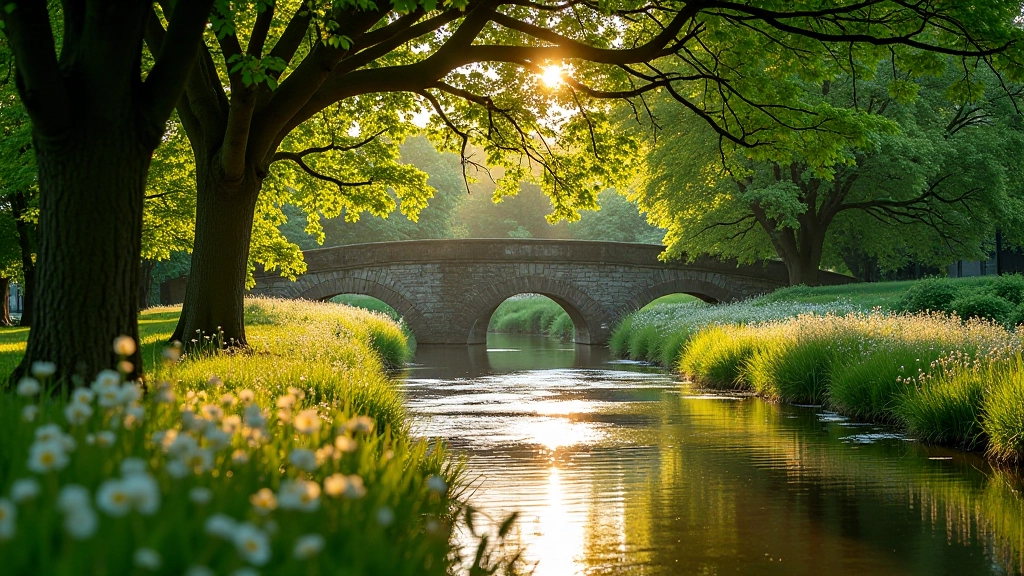
The pace slows down. You're not rushing between attractions. You're sitting by a fire, reading a book, listening to rain on thatch. That's not forced — it happens naturally. After a day of exploring Adare village or walking the Maigue River, you'll appreciate coming back to somewhere this comfortable.
Practical Things to Know
Packing matters more than you'd think. Bring layers — even in summer, stone cottages stay cool. A good book's essential if WiFi isn't reliable. Waterproof jackets are smart because you're in Ireland. Torch or headlamp if you're exploring at night.
Check with the owner about specific quirks before you arrive. How's the heating? Are there steps? How far to shops? What's the parking situation? A 15-minute conversation saves confusion later. Most owners are eager to help — they've chosen to live this way too.
Grocery shopping might mean a drive to the village. There's no room service. You'll cook your own meals (or order takeaway and heat it up). That's actually part of the appeal for most people — it's simpler, more real, less performative than resort living.
Seasons Matter More Than You'd Think
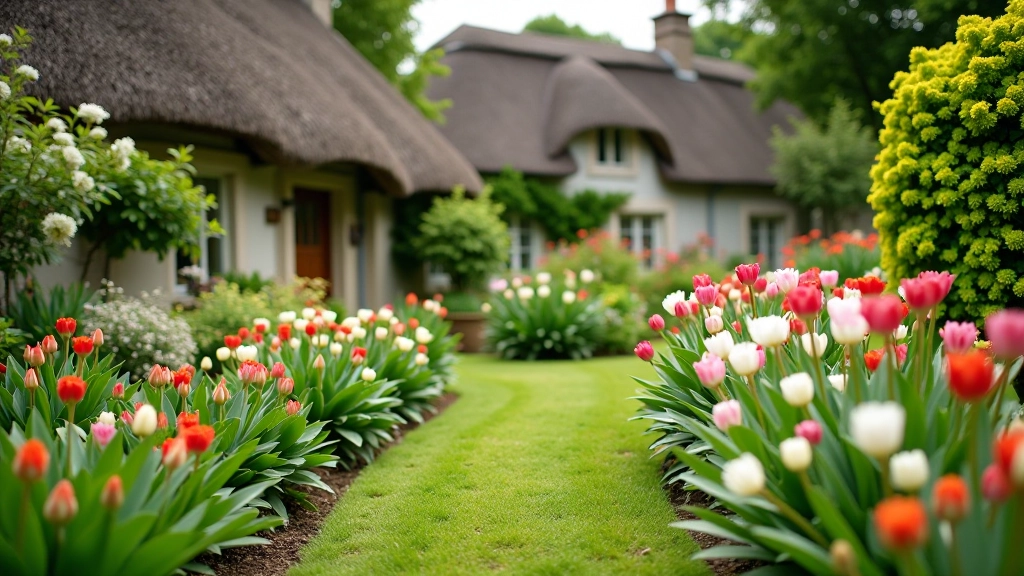
Summer is straightforward. You'll be outside most of the time. The cottage is cool, which feels nice when it's warm outside. Heating's irrelevant. Spring and autumn are perfect — weather's mild, gardens are either coming alive or showing their best colors, and there's still decent daylight.
Winter's different. You need to embrace it. Fire becomes central — literally and emotionally. There's something about sitting by a real fire in December that no hotel fireplace matches. But you'll want the heating to actually work, and you won't want power cuts or water freezes. Pick a well-maintained cottage if you're going in colder months.
Thatch maintenance happens seasonally. Don't be alarmed if you see thatchers working on the roof during your stay — it's normal. Good thatch lasts 50-60 years with proper care. You're looking at buildings that take their maintenance seriously.
Who Should Book a Cottage Stay
You'll love it if you're looking to slow down. If you want Instagram photos and then move to the next place, this isn't it. Cottage stays work best when you plan to stay 3+ days. That's enough time to settle in and actually live there rather than just visit.
Couples and small families do really well. It's intimate without feeling cramped. Larger groups need to pick cottages with separate spaces — otherwise everyone's in the main room. Solo travelers find it peaceful. Anyone stressed by city noise finds genuine relief here.
If you need accessibility features, ask directly. Older buildings have limitations. Stairs exist. Doorways are narrow. Some cottages have been modernized better than others. There's no shame in checking — it's smart planning.
The Real Takeaway
Staying in a thatched cottage isn't about pretending to be something you're not. It's about experiencing how people actually lived — and how some people still choose to live. You'll encounter real history, genuine craftsmanship, and authentic quiet. You won't encounter luxury in the modern sense (marble bathrooms, heated towel rails, 24-hour room service).
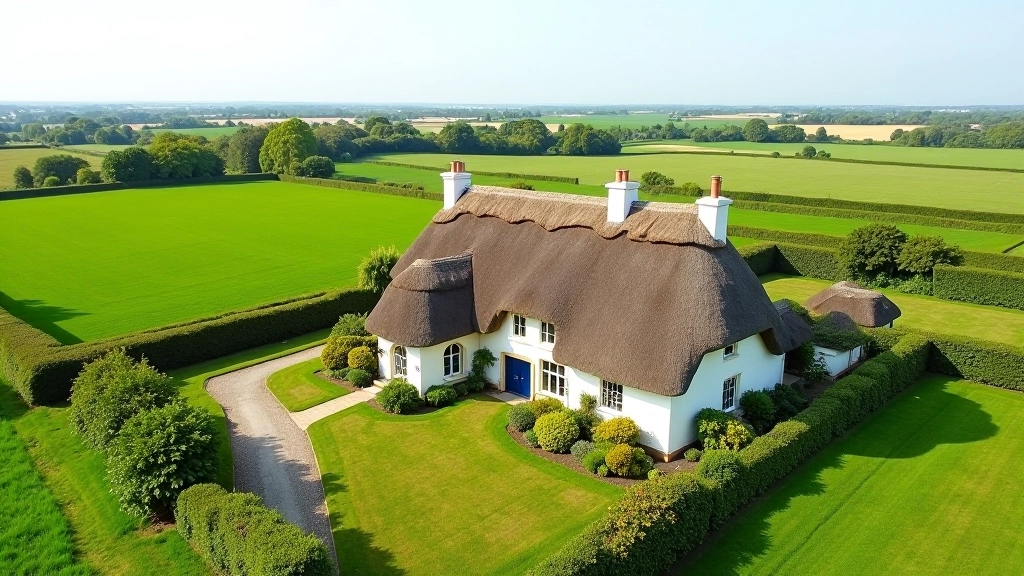
What you will find is comfort that's earned through simplicity. A fire that actually warms you. Walls that have stories. Space that feels like home instead of a transaction. If that appeals to you, a cottage stay in Adare or rural Limerick will deliver something hotels can't.
Go with realistic expectations. Go prepared for quirks. Go ready to disconnect. And you'll come back genuinely rested — not just tired from tourism, but actually restored. That's the real magic of thatched cottage living.
Information Disclaimer
This article provides general information about thatched cottage experiences in rural Ireland. Individual cottages vary significantly in age, maintenance, amenities, and condition. Before booking, contact the property owner directly to discuss specific features, accessibility requirements, heating systems, water supply, internet connectivity, and any other concerns. Weather conditions, seasonal changes, and regional factors affect the cottage experience. This information is educational and based on common characteristics of traditional Irish cottages — your personal experience may differ. Always confirm specific details with your accommodation provider.
Explore More About Rural Adare